
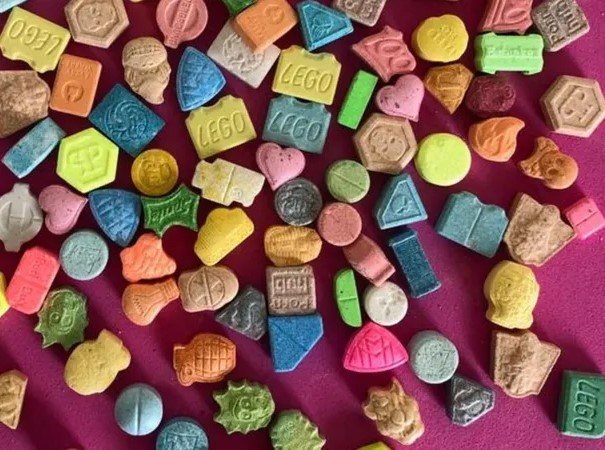
Buy Ecstasy Online UK, Buy Molly Online UK, Buy Ecstasy Online London, Buy Ecstasy Near Me UK, Eustasy for sale UK, Ecstasy street Price, Buy Molly Near Me
Buy Ecstasy Online UK
Ecstasy (MDMA): An In-Depth Look at its Clinical Uses and Effects
Ecstasy, the common name for the chemical MDMA (3,4-Methylenedioxymethamphetamine), is a synthetic substance known for its unique ability to alter mood and perception. While it is widely recognized for its recreational use, it is also currently at the center of groundbreaking clinical research for mental health treatment.
What is Ecstasy?
MDMA acts as both a stimulant and a mild hallucinogen. Initially, it was utilized in the 1970s as a tool to enhance communication in psychotherapy sessions. However, it later gained global fame as a popular recreational drug. Consequently, it is now classified as an “empathogen,” a substance that increases feelings of empathy and emotional openness.
Understanding Street Names and Slang
Specifically, being aware of these street names is essential for educational and safety purposes.
Common street names for Ecstasy include:
• Molly: Often used to describe the “pure” crystalline powder form of MDMA.
• E, X, or XTC: Shorthand versions of the name Ecstasy.
• Adam: A classic slang term referring to the drug’s “original” state.
• Beans: A term frequently used for pressed pills.
• Rolls: Referring to the “rolling” high that comes in waves.
• Clarity: Named for the sense of mental transparency users often report.
• Love Pill: Highlighting the intense feelings of affection and social bonding it produces.
How it Works: The Serotonin Connection
To understand why Ecstasy is so potent, one must look at its effect on brain chemistry. Specifically, it triggers a massive release of three primary neurotransmitters: serotonin, dopamine, and norepinephrine.
• Serotonin Surge: This creates the primary emotional effects, such as euphoria and empathy.
• Dopamine Release: In addition, this provides a boost in energy and reinforces the “reward” system in the brain.
• Norepinephrine Increase: As a result, the user experiences an increased heart rate and heightened physical sensations.
Clinical Potential in Modern Medicine
Furthermore, recent clinical trials have placed MDMA in the spotlight for its potential to treat Post-Traumatic Stress Disorder (PTSD). Specifically, MDMA-assisted therapy allows patients to revisit traumatic memories without the typical “fear response.” Moreover, researchers believe that by fostering a sense of safety, it can accelerate the healing process in ways traditional therapy cannot.
Potential Risks and Safety Concerns
Nevertheless, despite its clinical potential, the use of Ecstasy outside of a medical setting carries significant risks.
• Hyperthermia: One of the most dangerous side effects is a sharp rise in body temperature.
• Dehydration: Similarly, users often forget to hydrate, which can lead to organ strain.
Therefore, medical supervision is paramount for any therapeutic application.
Conclusion
In summary, Ecstasy (MDMA) is a complex substance with a history that spans from therapeutic tool to recreational “street drug” like Molly or XTC. Ultimately, while it offers promising future applications for PTSD and anxiety, it remains a potent chemical that requires deep respect and medical oversight. By understanding both the clinical benefits and the risks associated with its slang variations, we can better navigate the evolving landscape of mental health treatment.